
Hive Types
Langstroth and Top-Bar Hives: Construction, Dimensions, and Use Cases
How the two most common hive designs differ in frame layout, management style, and suitability for Polish climate conditions.
Practical information on Langstroth and top-bar hive construction, bee breed characteristics found across Poland, hive inspection methods, and honey harvesting techniques.

Articles
Three core areas covered for those starting their first colony or reviewing established practices.
Hive Types
How the two most common hive designs differ in frame layout, management style, and suitability for Polish climate conditions.
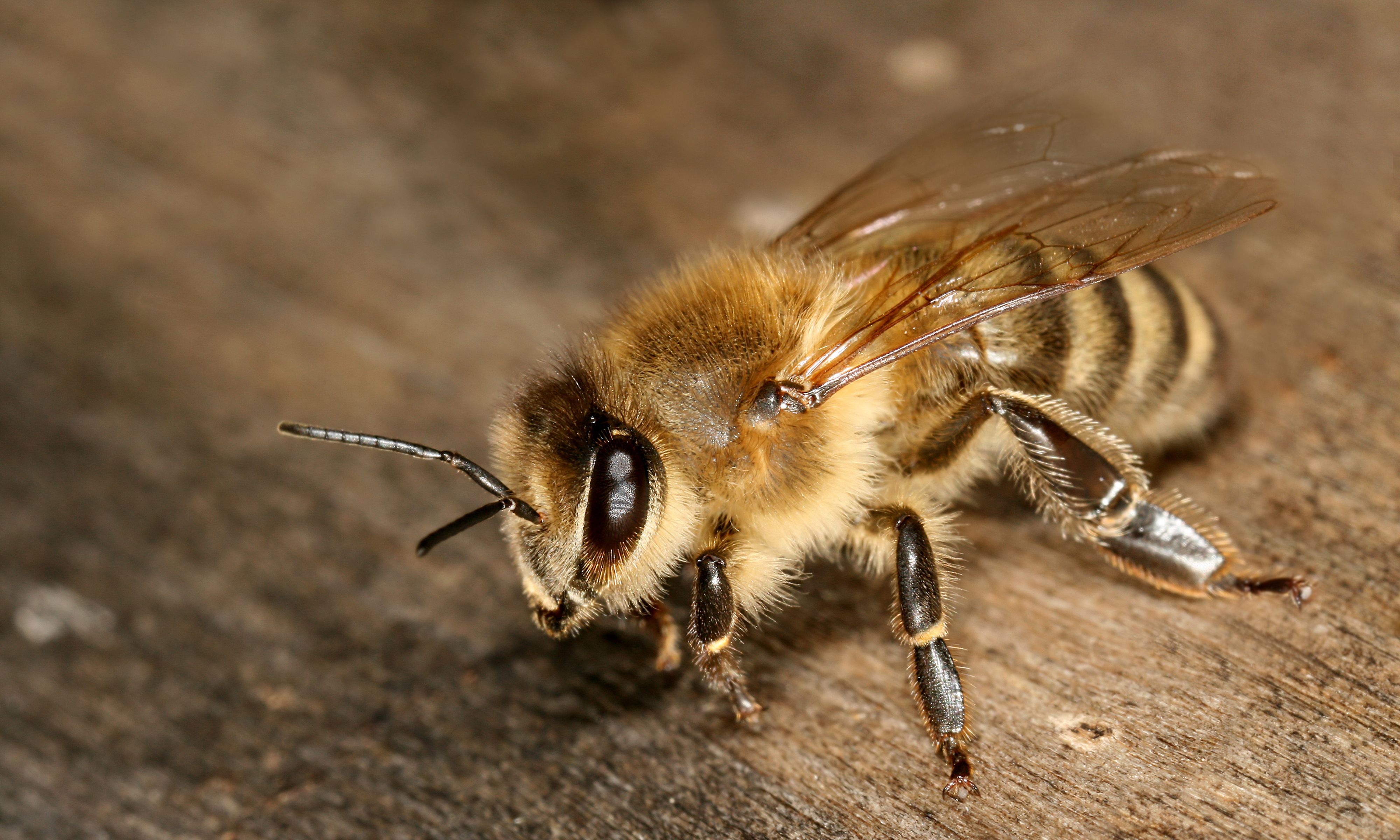
Bee Breeds
Characteristics of Apis mellifera carnica, Buckfast, and the darker native ecotypes kept across Polish apiaries, including temperament and winter hardiness.
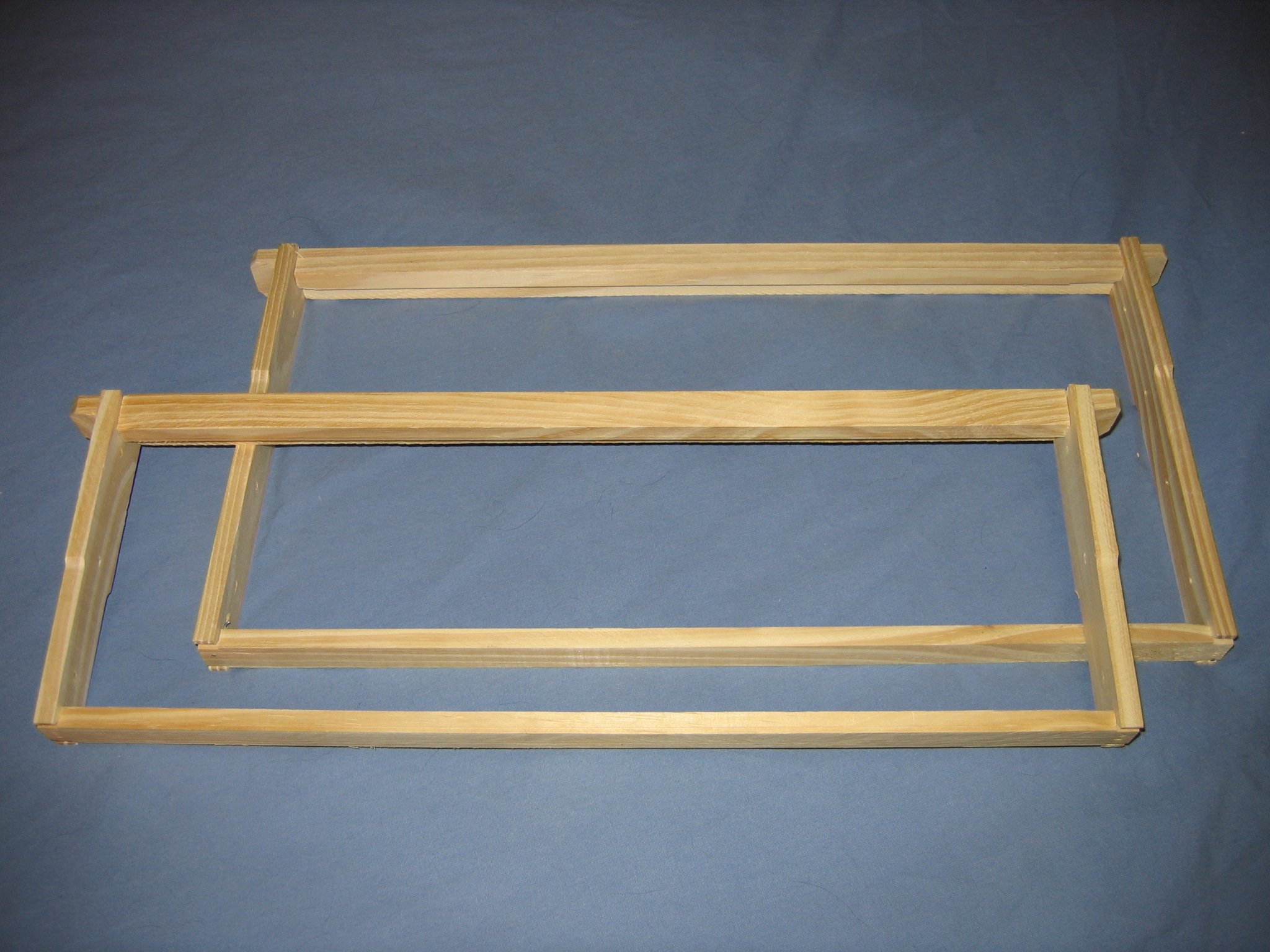
Seasonal Care
Inspection schedules, winter preparation, swarm management in spring, and basic centrifugal extraction procedures applicable to Polish beekeeping conditions.
Overview
Poland has a long tradition of apiculture, with significant variation in climate and flora across its regions.
Polish apiaries benefit from diverse botanical sources: linden trees in the northeast, buckwheat fields in the east, and mixed wildflower meadows across the central lowlands. Each produces honey with distinct flavour and moisture profiles. Heather honey from the Białowieża and Tatra borders requires specific extraction equipment due to its thixotropic texture.
Winters in Poland are long enough that colonies typically cluster from late October through March. Hive insulation, adequate winter stores (generally 15–20 kg of honey per colony), and varroa treatment timing relative to the last brood cycle are the main variables that determine overwinter success. Spring build-up begins slowly, often accelerating only after sustained temperatures above 10 °C.
Contact
Use the form below to submit a question or comment. No data is transmitted to any server.
Your request has been submitted.